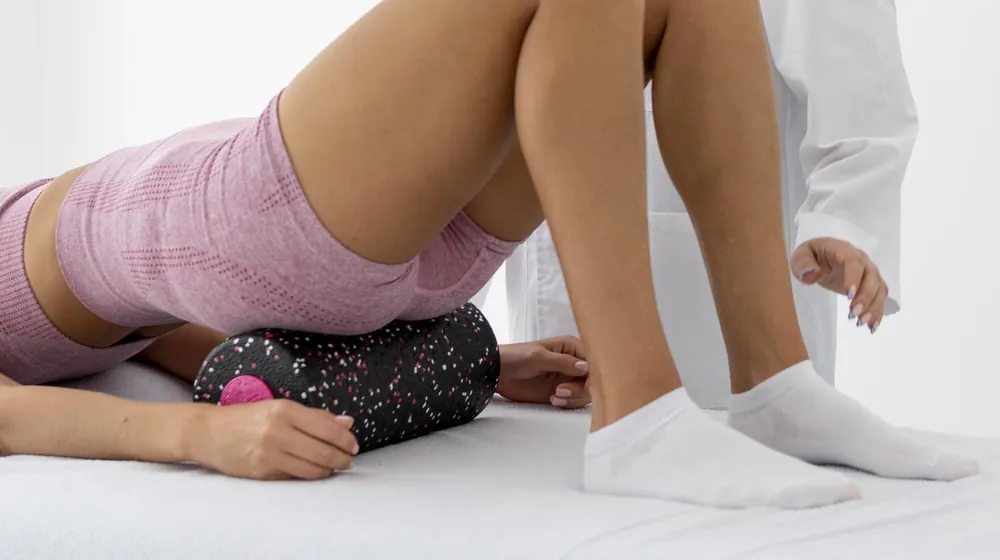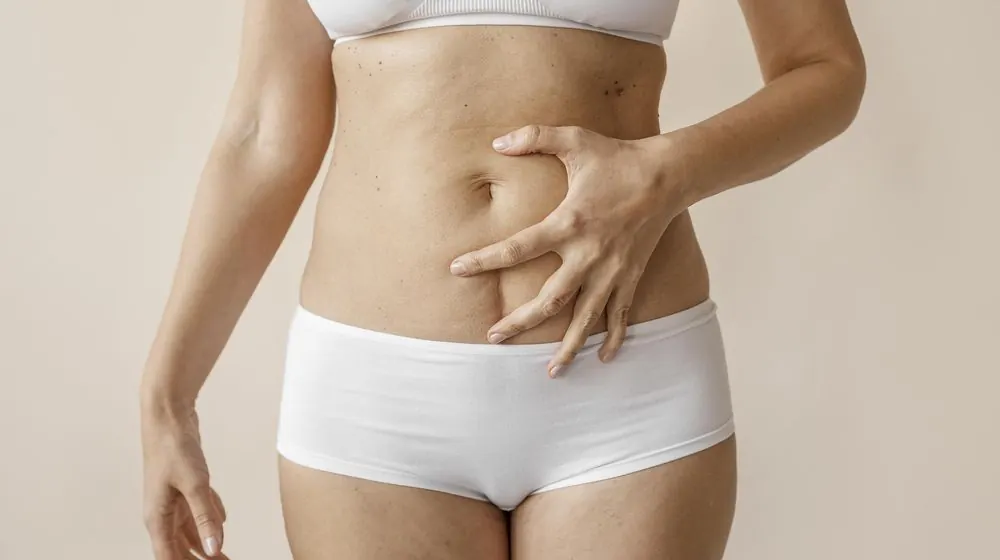
The birth of a baby is one of the most significant moments in a woman's life. During pregnancy and childbirth, the body goes through extraordinary changes to adapt to the demands of this stage.
However, after all the attention given to pregnancy and birth, the mother's recovery does not always receive the attention it deserves.
Many women believe that certain symptoms are an inevitable consequence of motherhood and end up accepting them as normal. These include urinary leakage, a feeling of pelvic heaviness, abdominal discomfort or difficulty returning to physical activity.
In reality, many of these situations can be properly assessed and managed.
What happens to the body during pregnancy?
Throughout pregnancy, the body continually adapts to the growing baby.
Weight gain, hormonal changes and the shift in the centre of gravity cause significant changes in different structures.
Among the most affected areas are:
- Pelvic floor
- Abdominal wall
- Lower back
- Pelvic joints
- Respiratory system
These adaptations are natural, but they can create challenges during the postpartum period.
The role of the pelvic floor
The pelvic floor works as a support structure at the base of the pelvis.
During pregnancy and childbirth, these muscles are subjected to a progressive increase in load.
After the baby is born, changes may appear related to:
- Urinary control
- A sense of pelvic support
- Bowel function
- Comfort during certain activities
Proper recovery of this musculature is an important part of postpartum rehabilitation.
Is urinary leakage normal?
Urinary leakage is relatively common after pregnancy, especially during efforts such as:
- Coughing
- Sneezing
- Jumping
- Running
- Lifting objects
However, something being common does not mean it is normal or that it has to be accepted forever.
Many women benefit from a specific assessment to understand why these symptoms are occurring and what strategies are suitable to improve them.
What is abdominal diastasis?
Abdominal diastasis is the separation of the rectus abdominis muscles that can occur during pregnancy.
It arises as a natural response to the growth of the uterus and the need to make room for the baby.
After childbirth, some women recover spontaneously. In other cases, changes may persist that contribute to:
- A feeling of abdominal weakness
- Difficulty performing certain movements
- Postural changes
- Lower back discomfort
A proper assessment helps determine how relevant the diastasis is in each specific case.
When should you return to physical exercise?
This is one of the most common questions in the postpartum period.
There is no universal answer.
The right time depends on different factors, including:
- Type of delivery
- Recovery process
- Presence of symptoms
- Previous fitness level
- Individual goals
More important than returning to exercise quickly is making sure the return happens safely and progressively.
Why is it important to assess pelvic health even without symptoms?
Many changes do not cause immediate symptoms.
However, some problems may only appear years later, especially when physical demands increase or with advancing age.
Assessment makes it possible to identify risk factors early and put preventive strategies in place.
Looking after the mother is part of the postpartum period too
Motherhood involves enormous dedication to the baby, but the mother's recovery should not be put in second place.
Investing in pelvic health after childbirth is not just about treating existing symptoms.
It means helping women regain confidence in their bodies, return to the activities they enjoy and promote their long-term physical well-being.
The postpartum period does not end a few weeks after birth. It is a process of adaptation and recovery that deserves attention, information and appropriate support.