Clinical Pilates in Algés
Therapeutic exercise led by physiotherapists — on the mat and on the reformer.
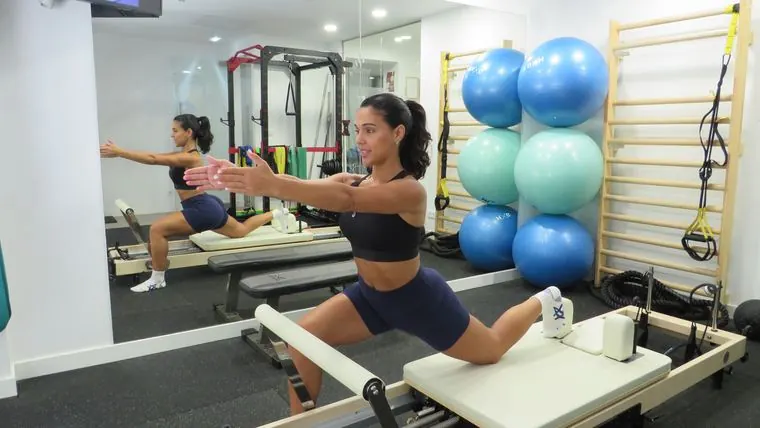
Clinical Pilates is a method of therapeutic exercise guided by health professionals, based on an individual assessment and adapted to each person's needs. At M.A. Healthcare, in Algés, sessions can be held on the mat or on the Reformer, allowing exercise to be adjusted to fitness level, goals and clinical condition.
More than just a form of exercise, Clinical Pilates is a rehabilitation and prevention tool, suited to improving posture, building strength, promoting movement control and reducing pain.
After an initial assessment, a programme tailored to each person is defined. Sessions can take place on the mat or Reformer, individually or in small groups, with gradual progression and ongoing supervision from a health professional.
Frequently asked questions
What is Clinical Pilates?
Clinical Pilates is a method of therapeutic exercise guided by health professionals, based on an individual assessment. At M.A. Healthcare, in Algés, exercises are tailored to each person's needs, aiming to reduce pain, improve posture, build strength and prevent injury.
Does Clinical Pilates help with back pain?
Yes. It's often recommended for people with lower back, neck or mid-back pain, helping to improve spinal stability, mobility and muscle control.
What's the difference between Clinical Pilates and traditional Pilates?
Clinical Pilates is individualised and based on a clinical assessment, and is suited to people with pain, injuries or physical limitations. Traditional Pilates takes a more general approach.
Can I do Pilates with a disc herniation?
In many cases, yes. After assessment, Clinical Pilates can be part of the treatment plan, adapting exercises to the stage of the injury and to symptoms.
Does Pilates help with posture?
Yes. It improves body awareness, strengthens the stabilising muscles and contributes to a more balanced posture.
Is Clinical Pilates suitable during pregnancy?
Yes, provided there are no medical contraindications. It can help relieve lower back and pelvic pain and prepare the body for childbirth.
How many times a week should I practise?
Frequency depends on each person's goals. One to two sessions a week is generally enough.
Does Pilates help with recovery after an injury?
Yes. It can be part of rehabilitation programmes after muscle or joint injuries or surgery.
Is Clinical Pilates suitable for older adults?
Yes. It improves strength, balance, mobility and independence, reducing the risk of falls.
Do I need experience to start?
No. It adapts to people of all ages and fitness levels.
What is Clinical Pilates Reformer?
It's a form of Pilates done on specific equipment called the Reformer, guided by health professionals and adapted to each person.
What's the difference between Reformer and mat work?
The Reformer uses springs that allow resistance and support to be adjusted, making it useful for both rehabilitation and performance.
Is Pilates Reformer suitable for people with pain?
Yes. It allows movements with lower joint impact and better load control.
Does Pilates Reformer help strengthen the core?
Yes, it's one of the main goals, essential for spinal stability and posture.
Does Pilates Reformer help with recovery after surgery?
Yes, always respecting the healing stage and medical guidance.
Is Pilates Reformer suitable for beginners?
Yes. The equipment adapts to each person's level of experience.
Does Pilates Reformer help with weight loss?
It can contribute to greater strength and fitness, alongside a balanced diet.
Does Pilates Reformer improve flexibility?
Yes, it helps improve joint mobility and movement control.
Is Pilates Reformer suitable for athletes?
Yes, to improve stability, mobility and prevent injury.
Does Pilates Reformer help prevent injury?
Yes, by improving strength, muscle balance and movement control.
Does Pilates Reformer help with scoliosis?
In some cases, it can be part of a tailored programme, always with an individualised prescription.
Can I do Pilates Reformer even without pain?
Yes, many people practise it to improve posture, strength and flexibility, even without pain.
How long does a Clinical Pilates Reformer session last?
Usually between 45 and 60 minutes.
Is Pilates Reformer better than mat Pilates?
There's no 'better' method — they're complementary approaches, and the choice depends on each person's assessment.
Who it's for
- Lower back and neck pain
- Disc herniation
- Postural changes
- Recovery from injury
- Postpartum recovery
- Sedentary lifestyle
- Injury prevention
- Improved mobility
- Muscle strengthening
Articles on Clinical Pilates

Clinical Pilates and Conventional Pilates: What's the Difference and How to Choose?
In recent years, Pilates has become one of the most popular forms of exercise for people who want to improve posture, increase flexibility, build strength and promote general…
Read more →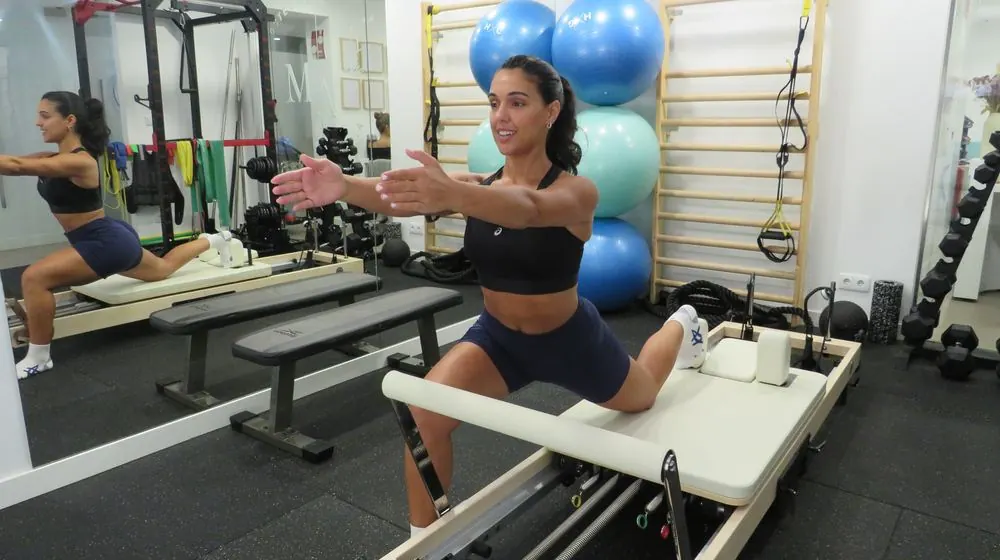
Pilates Reformer: What It Is, Benefits and Who It's For
What is Pilates Reformer Pilates Reformer is a type of training done on a Pilates machine that uses controlled resistance to work the body safely and effectively. This method…
Read more →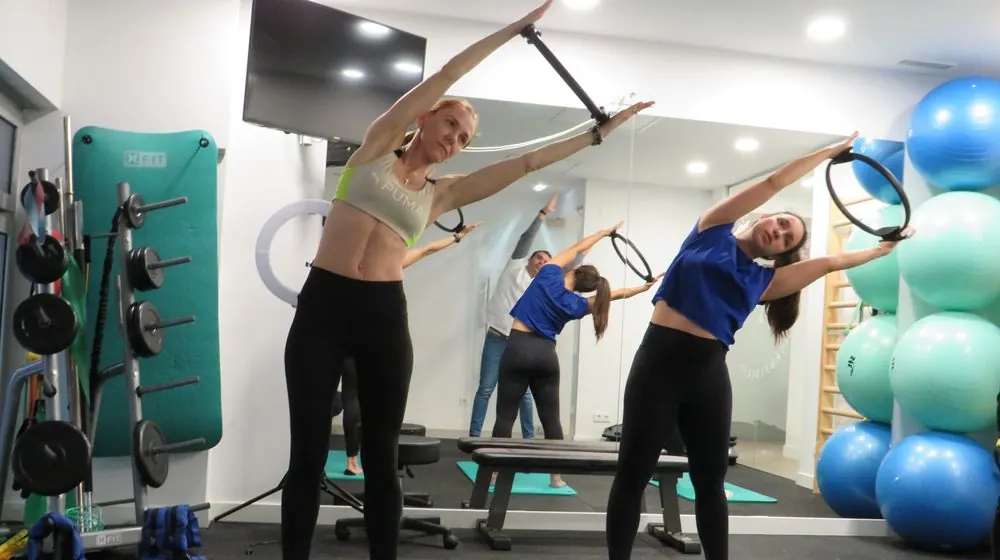
In Which Situations Is Clinical Pilates Especially Recommended?
So, in which situations is Clinical Pilates especially recommended? Persistent lower back or neck pain Disc herniation Sacroiliac instability Post-surgical rehabilitation…
Read more →