Physiotherapy in Algés
Personalised treatment programmes, focused on function and movement.

Physiotherapy is a health field dedicated to assessing, preventing and treating pain and movement disorders. At M.A. Healthcare, in Algés, each person is assessed individually to identify the cause of the problem and define a personalised treatment plan.
The goal isn't just to relieve symptoms, but to restore function, improve mobility and help you return safely to daily activities, work and physical exercise.
Treatment begins with a detailed clinical assessment. We then define concrete goals and a treatment plan that may include manual therapy, therapeutic exercise, movement re-education and prevention strategies.
Frequently asked questions
What does musculoskeletal physiotherapy treat?
Musculoskeletal physiotherapy treats injuries and disorders of the muscles, tendons, ligaments, joints and spine. At M.A. Healthcare, in Algés, treatment is personalised and aimed at relieving pain, restoring mobility and preventing new injuries.
When should I turn to physiotherapy?
Whenever there's pain, limited movement, a sports injury, recovery after surgery, or difficulty with everyday activities.
Does physiotherapy help with back pain?
Yes. Physiotherapy is one of the most widely used approaches for treating lower back pain, neck pain and other spinal pain, combining manual therapy, therapeutic exercise and patient education.
Does physiotherapy help with disc herniation?
In many cases, yes. Treatment aims to reduce pain, improve function and help you safely return to your activities.
How many sessions are needed?
The number of sessions depends on the diagnosis, clinical progress and each patient's goals.
Do I need a medical referral?
No. You can book a physiotherapy assessment directly.
Does physiotherapy help with osteoarthritis?
Yes. Treatment can help reduce pain, improve mobility and maintain joint function.
Does physiotherapy treat sports injuries?
Yes. Sprains, tendinitis, muscle injuries and other sport-related injuries can benefit from a personalised rehabilitation plan.
Does physiotherapy help with recovery after surgery?
Yes. Post-operative rehabilitation is essential for regaining strength, mobility and function.
Is exercise part of the treatment?
Yes. Therapeutic exercise is one of the pillars of physiotherapy and helps consolidate the results achieved in sessions.
How long does a session last?
Duration varies depending on the therapeutic goal, but is usually between 45 and 60 minutes.
Does physiotherapy hurt?
Some techniques may cause mild discomfort, but treatment is always adjusted to each person's tolerance.
Who it's for
- Back or neck pain
- A sports injury
- Recovering from surgery
- Shoulder, knee, hip or ankle pain
- Tendinitis, sprains or muscle injuries
- Long hours sitting or at a computer
- Wanting to prevent injury and move better
Articles on Physiotherapy

Heel Pain When You Wake Up? It Could Be a Heel Spur
Waking up in the morning, putting your feet on the floor and feeling intense heel pain is more common than many people realise. For some, the pain fades after a few minutes…
Read more →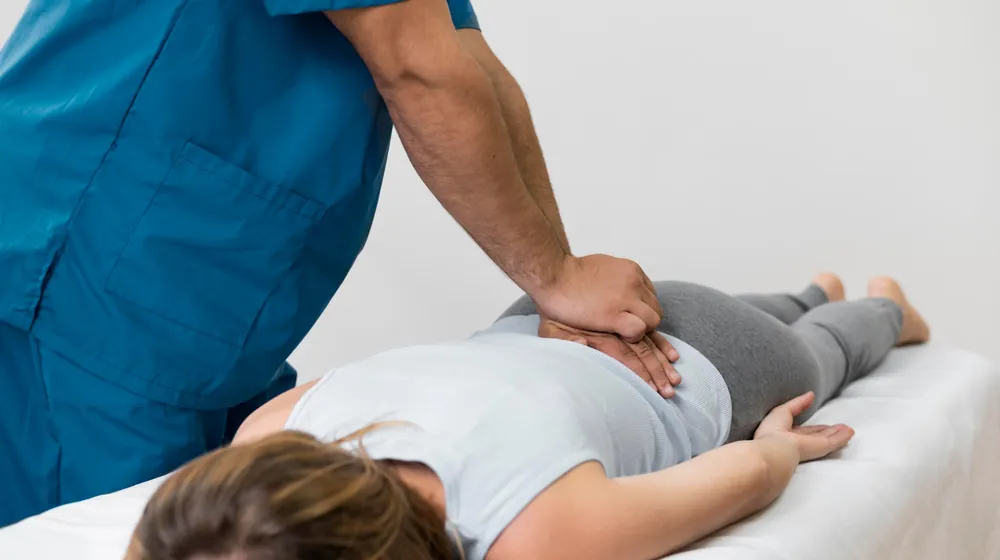
Low Back Pain: When Should You See a Physiotherapist?
Low back pain is one of the most common musculoskeletal problems worldwide. It is estimated that most adults will experience at least one significant episode of low back pain…
Read more →
Sports Injury Recovery: How to Return to Exercise Safely
Anyone who exercises regularly knows that injuries can happen even with preparation and experience. A sprain, a muscle injury or a tendinopathy can interrupt training…
Read more →