Pelvic Physiotherapy in Algés
Pelvic floor rehabilitation, for women and men, at every stage of life.
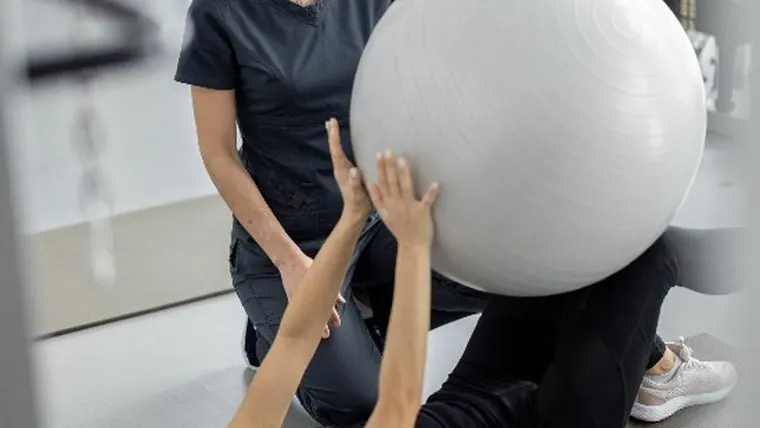
Pelvic physiotherapy is a specialised area of physiotherapy dedicated to assessing, preventing and treating pelvic floor disorders in women, men and children. At M.A. Healthcare, in Algés, care is provided individually, respecting each person's needs, symptoms and goals.
The pelvic floor plays a key role in supporting the pelvic organs, urinary and faecal continence, sexual function and stability of the lower back and pelvis.
The appointment begins with a detailed clinical assessment, followed by a personalised treatment plan, which may include specific exercises, manual techniques, functional training and education.
Frequently asked questions
What does pelvic physiotherapy treat?
It helps treat symptoms such as urinary incontinence, pelvic pain, postpartum recovery, pain during intercourse and abdominal changes.
Does pelvic physiotherapy help with urinary incontinence?
Yes, for stress incontinence, urinary urgency or difficulty controlling the bladder.
Is pelvic physiotherapy important after childbirth?
Yes. It helps with abdominal and perineal recovery, urinary control, pelvic pain and a safe return to physical activity.
Can men have pelvic physiotherapy?
Yes, for pelvic pain, urinary incontinence, post-surgical recovery or pelvic floor disorders.
Does pelvic physiotherapy help with pelvic pain?
Yes, it can help manage muscle tension and chronic pelvic pain.
Does pelvic physiotherapy help during pregnancy?
Yes, with childbirth preparation, managing lower back and pelvic pain, and improving physical comfort.
Does pelvic physiotherapy help with abdominal recovery?
Yes, including abdominal diastasis and a gradual return to physical activity.
What is the pelvic floor?
A group of muscles and structures that help support the pelvic organs, continence and sexual function.
When should I seek pelvic physiotherapy?
When there's urinary leakage, pelvic pain, postpartum discomfort, or pain during intercourse.
Does pelvic physiotherapy help with pain during intercourse?
In some cases, it can help manage the associated muscle tension.
Does pelvic physiotherapy help after surgery?
Yes, with functional recovery after gynaecological, urological or abdominal surgery.
How does the first appointment work?
An individualised assessment of symptoms, goals and pelvic floor function.
Does pelvic physiotherapy help athletes?
Yes, with urinary symptoms, pelvic pain, or optimising abdominal function.
Are Kegel exercises enough?
Not always — each case should be assessed individually.
Does pelvic physiotherapy help with endometriosis?
In some cases, it can help manage the associated pain and muscle tension.
How long does treatment take?
It depends on symptoms, goals and individual response.
Does pelvic physiotherapy help with abdominal diastasis?
Yes, with functional abdominal recovery and control of intra-abdominal pressure.
Is there pelvic physiotherapy for men?
Yes, for pelvic pain, urinary symptoms and recovery after prostatectomy.
Does pelvic physiotherapy help with constipation?
In some cases, pelvic floor changes affect bowel function.
Can I have pelvic physiotherapy preventively?
Yes, especially during pregnancy, postpartum, or if you play sport.
Can physiotherapy help avoid surgery?
In many cases it can reduce symptoms or delay the need for intervention.
Who it's for
- Pregnancy and childbirth preparation
- Postpartum recovery
- Urinary incontinence (women and men)
- Pelvic pain
- Abdominal diastasis
- Pelvic organ prolapse
- Recovery after prostate surgery
- Pelvic floor disorders
Articles on Pelvic Physiotherapy
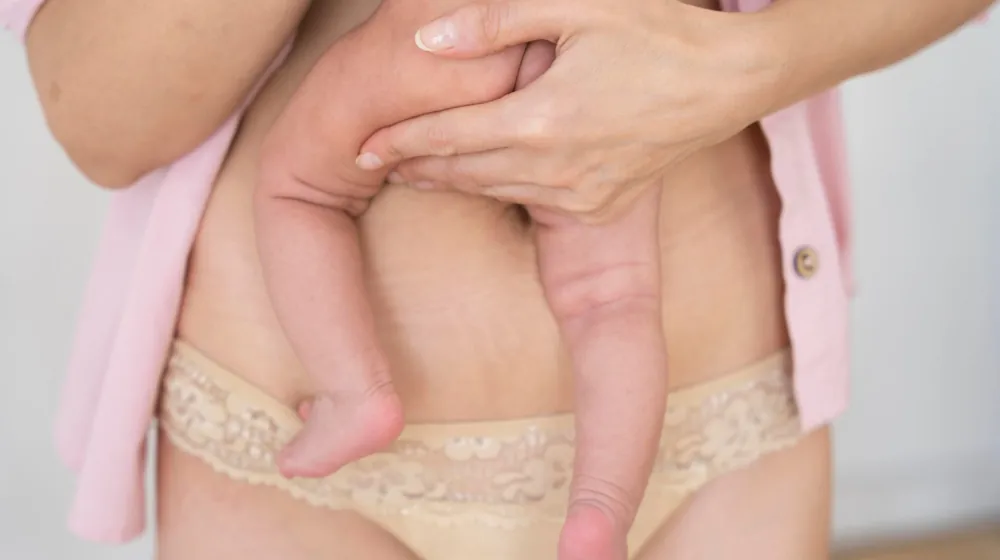
Pelvic Health After Childbirth: What Many Women Wish They Had Known Sooner
The birth of a baby is one of the most significant moments in a woman's life. During pregnancy and childbirth, the body goes through extraordinary changes to adapt to the…
Read more →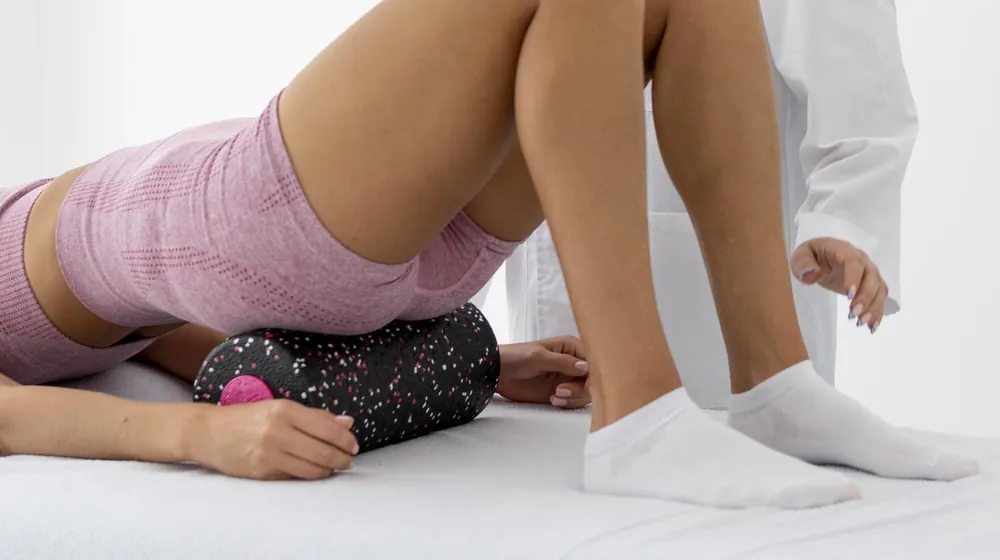
Pelvic Pain: How It Is Assessed and Why It Matters So Much
Pelvic pain is a condition that can affect men and women of different ages and have a significant impact on quality of life. Although many people associate the pelvic region…
Read more →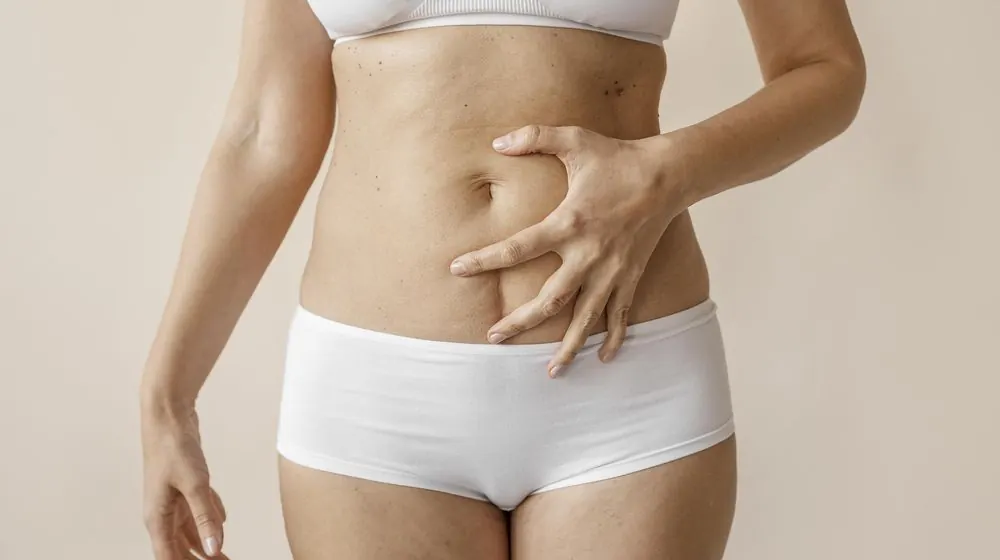
Losing Urine Isn't Normal: What You Should Know
Many women believe that losing urine after pregnancy, during exercise, or as the years go by, is somehow "normal". However, despite being common, urinary incontinence…
Read more →