Many women believe that losing urine after pregnancy, during exercise, or as the years go by, is somehow "normal". However, despite being common, urinary incontinence shouldn't be seen as inevitable.
Pelvic physiotherapy can play a very important role in assessing and treating these situations.
What is the pelvic floor?
The pelvic floor is a group of muscles and tissues located in the lower part of the pelvis.
These structures have essential functions:
- supporting the pelvic organs
- urinary and bowel control
- sexual function
- stability of the lower back and pelvic region
When there's dysfunction, various symptoms can appear.
Most frequent symptoms
- urinary leaks
- a feeling of pelvic heaviness
- urinary urgency
- pelvic pain
- pain during intercourse
- difficulty with postpartum recovery
How does pelvic physiotherapy help?
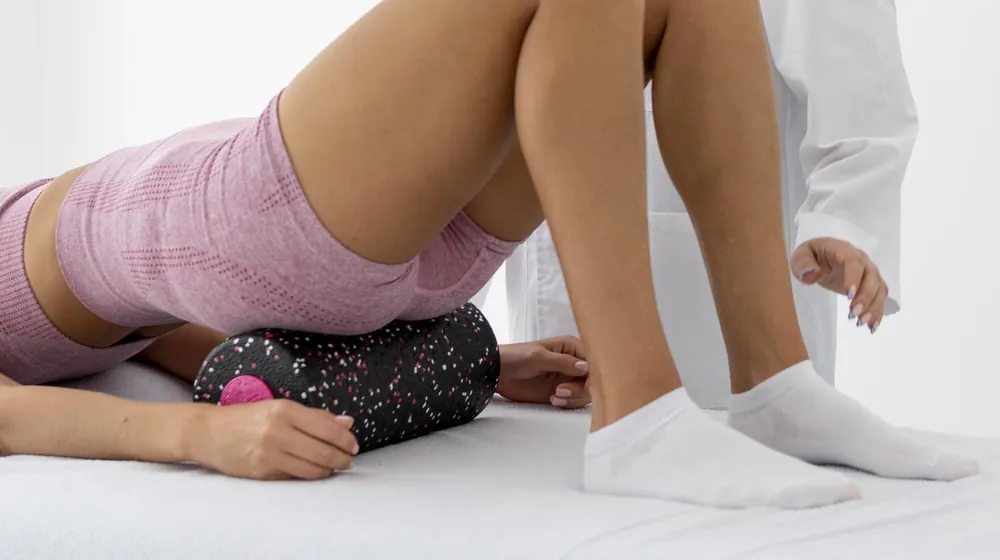
Pelvic physiotherapy always begins with an individualised assessment.
Treatment may include:
- specific exercises
- pelvic-floor muscle training
- breathing re-education
- manual therapy
- behavioural strategies
- education on habits and load management
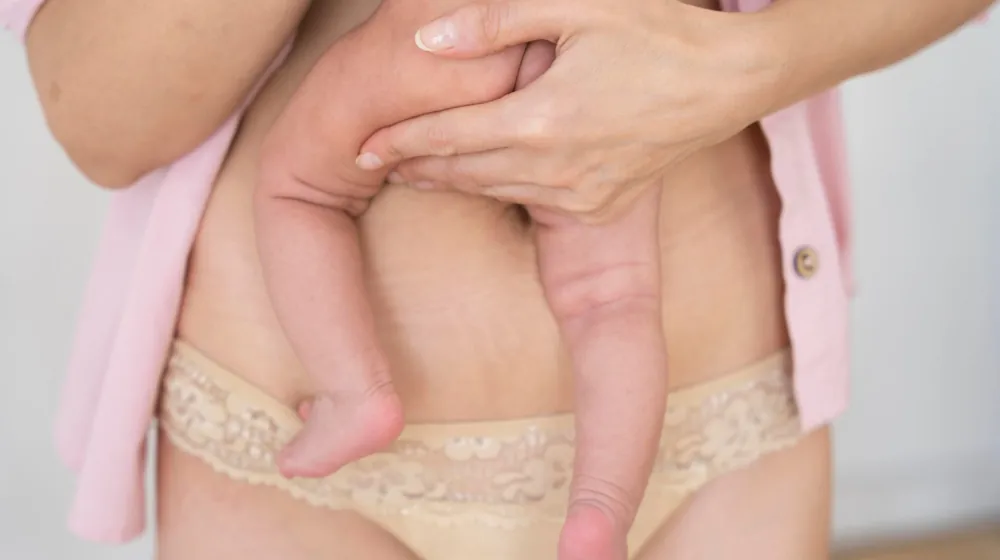
Postpartum: an important phase
Recovery after pregnancy and childbirth deserves specialised attention.
Even when there are no obvious symptoms, a pelvic-floor assessment can be important to:
- restore muscle function
- prevent future dysfunctions
- return to exercise safely
- improve comfort and confidence
At M.A. Healthcare, pelvic physiotherapy is approached in a personalised way, respecting each person's history, goals and needs.