Pelvic Physiotherapy (Women)
31 articles on this topic, written by our team.
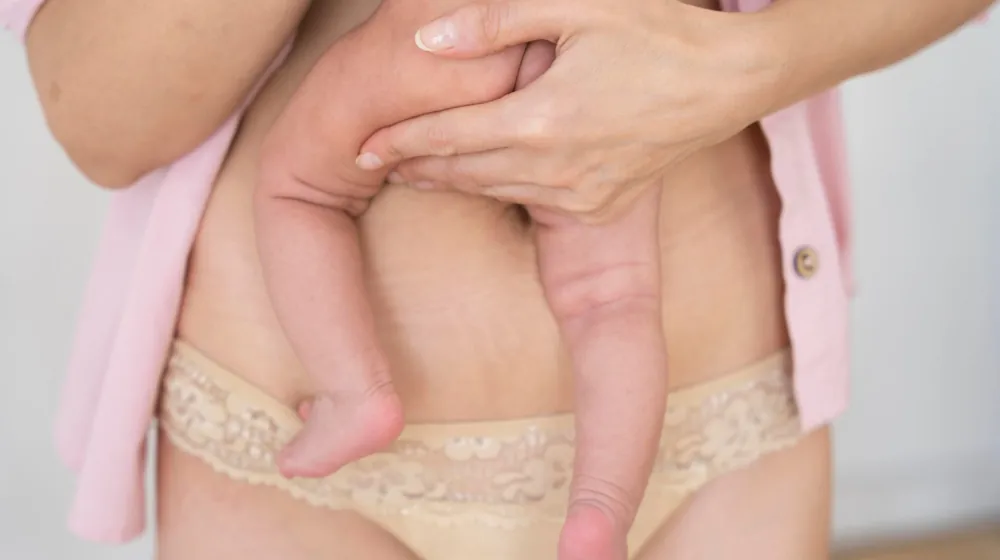
Pelvic Health After Childbirth: What Many Women Wish They Had Known Sooner
The birth of a baby is one of the most significant moments in a woman's life. During pregnancy and childbirth, the body goes through extraordinary changes to adapt to the…
Read more →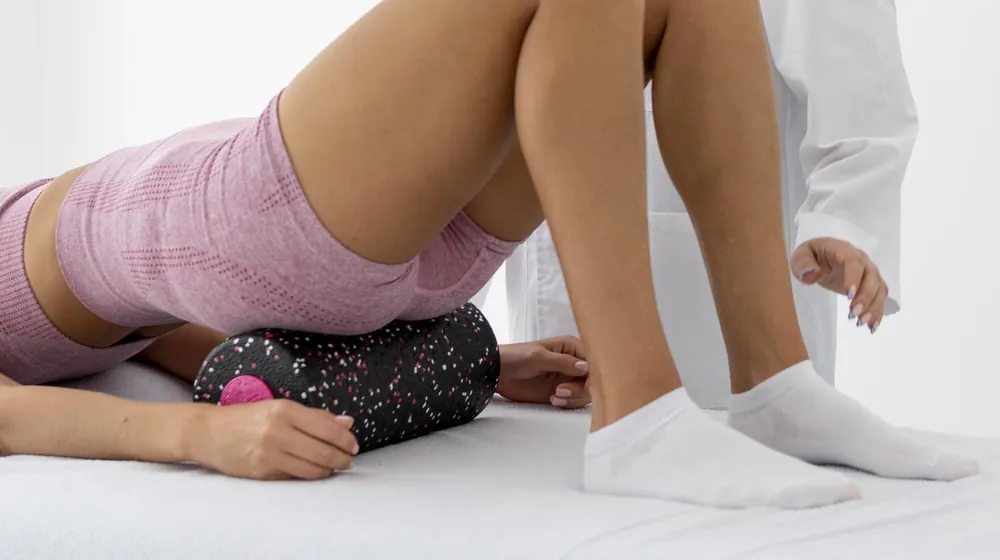
Pelvic Pain: How It Is Assessed and Why It Matters So Much
Pelvic pain is a condition that can affect men and women of different ages and have a significant impact on quality of life. Although many people associate the pelvic region…
Read more →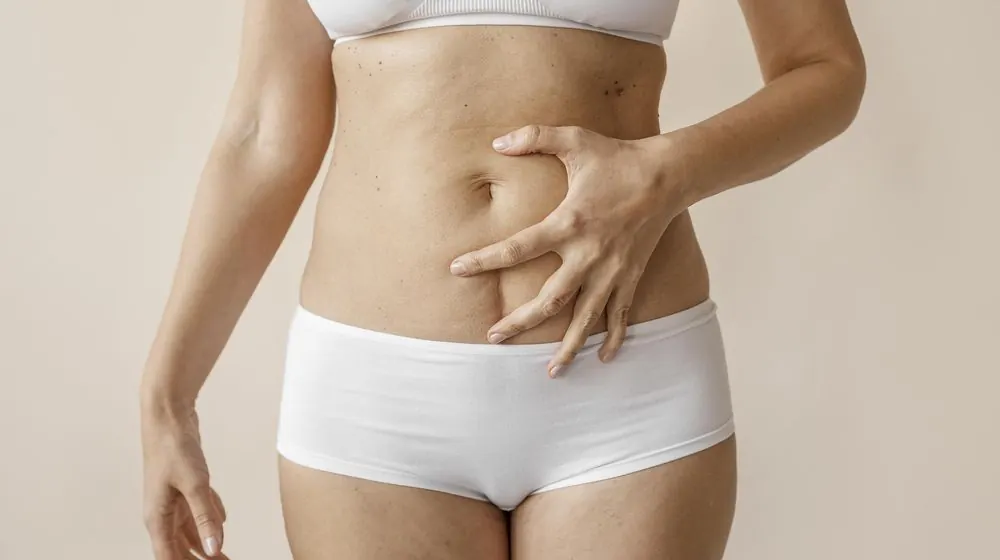
Losing Urine Isn't Normal: What You Should Know
Many women believe that losing urine after pregnancy, during exercise, or as the years go by, is somehow "normal". However, despite being common, urinary incontinence…
Read more →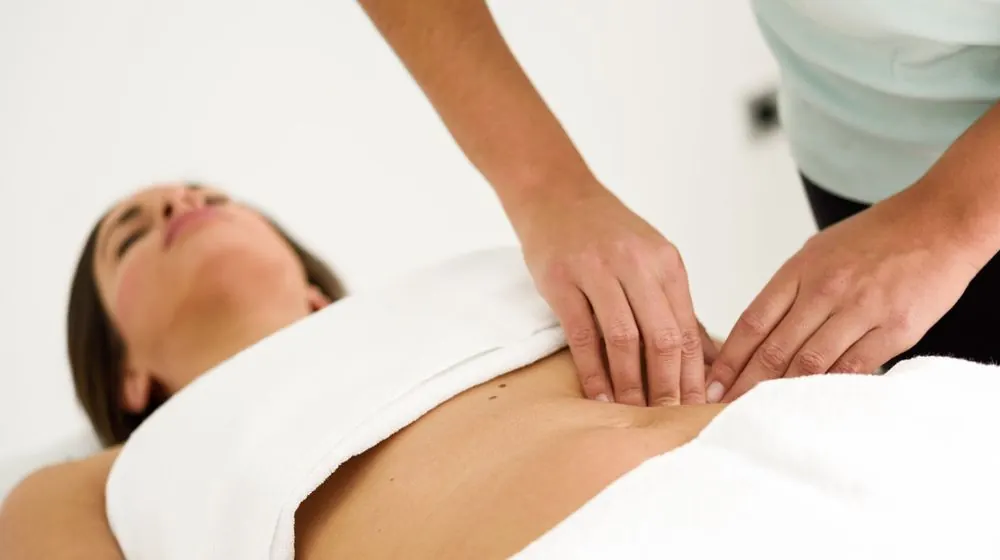
Pelvic Physiotherapy and Urinary Incontinence
Pelvic physiotherapy is essential for women with urinary incontinence or pelvic discomfort, promoting control, strength and quality of life. Benefits Reduction or elimination…
Read more →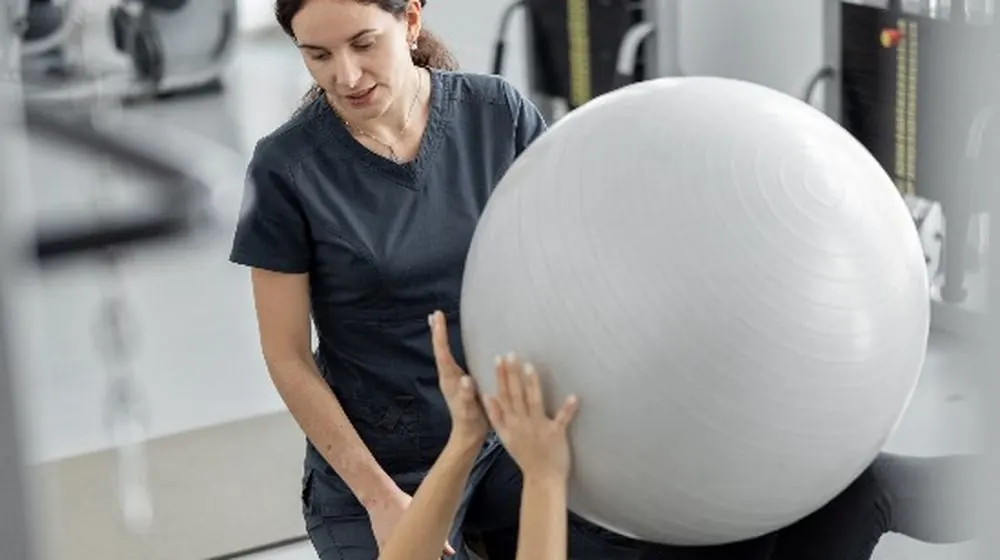
Women's Health Throughout Life
Women's health requires care adapted to each stage of life, preventing pain, promoting mobility and strengthening physical and emotional wellbeing. Stages of life…
Read more →
If I Had a Caesarean, Do I Need Pelvic Physiotherapy?
Many physiotherapists specialised in pelvic health recommend postpartum pelvic rehabilitation, regardless of whether the birth was vaginal or by caesarean. Why do pelvic…
Read more →
Pain During Intercourse: How Pelvic Physiotherapy Can Help
Feeling pain during intercourse isn't normal — but it's more common than you might think. Many women suffer with it in silence, out of embarrassment or lack of information…
Read more →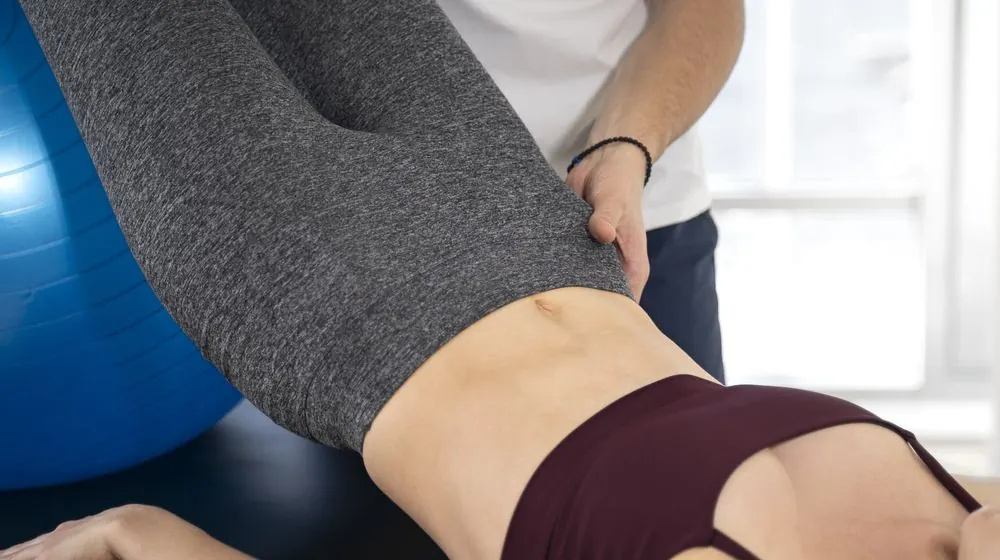
Relaxation Techniques with Pelvic Physiotherapy: Wellbeing and Balance for Your Body
Did you know the pelvic floor can build up tension, just like your neck or back? At M.A. Healthcare, we use pelvic physiotherapy not just to treat disorders, but also as a…
Read more →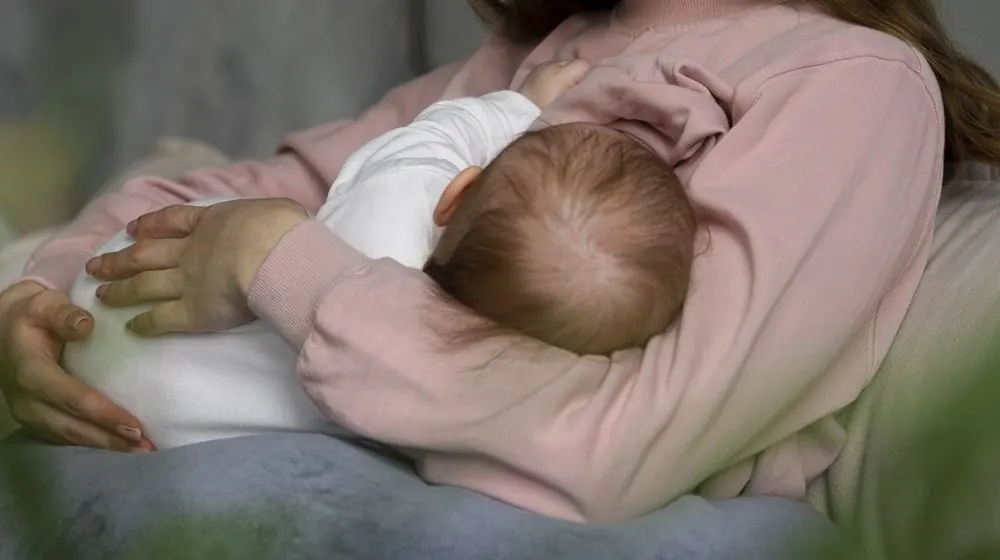
Breastfeeding and Pelvic Physiotherapy
It may sound unexpected, but the body is an integrated system — and breastfeeding is connected to posture, breathing, the diaphragm, the back… and yes, even the pelvic floor…
Read more →
Caesarean Scar
Recovery after a caesarean also involves the healing of the skin and adapting to a new body. The caesarean scar is a mark many women carry with pride, but it's important to…
Read more →
Overactive Bladder
Do you feel an urgent, frequent need to urinate, even without drinking much fluid? It could be an overactive bladder, a condition affecting many women that can impact quality…
Read more →
Pregnancy and Pelvic Physiotherapy
What is pelvic physiotherapy and how can it help during pregnancy? Pelvic physiotherapy is a speciality focused on strengthening and relaxing the muscles of the pelvic…
Read more →
How Can Pelvic Physiotherapy Help?
Pelvic pain during pregnancy is very common, but it shouldn't be ignored. It can be caused by the increasing weight of the belly and hormonal changes that affect the…
Read more →
Why Do So Many Pregnant Women Choose Pelvic Physiotherapy?
Pelvic physiotherapy plays a crucial role both in preparing for childbirth and in postpartum recovery. During pregnancy, the muscles of the pelvic region and the pelvic floor…
Read more →
Menopause and Sexual Dysfunction
Menopause is a natural phase in a woman's life, but it can bring changes to the body that affect quality of life, including sexual dysfunction. Vaginal dryness, decreased sex…
Read more →
Leg Swelling During Pregnancy
How to Reduce Leg Swelling During Pregnancy? Leg swelling is very common in pregnancy, but there are simple ways to ease this discomfort: Raise your legs several times a day…
Read more →
Physiotherapy and Pregnancy
Benefits of physiotherapy during pregnancy: Relief of back and joint pain Strengthening of the pelvic muscles (important for childbirth) Improved posture and relief of muscle…
Read more →
Stress and Women's Health
Stress is one of the biggest enemies of women's health, affecting both body and mind. Whether at work, at home or in personal relationships, stress can have a significant…
Read more →
Physiotherapy and Core Recovery After Childbirth
After childbirth, it's essential to strengthen the abdominal muscles and core (the group of muscles including the abdomen, lower back, hips and pelvis). Strengthening this…
Read more →
Physiotherapy and Pelvic Pain in Pregnancy
Pelvic pain is a very common symptom during pregnancy, mainly caused by hormonal changes and increased pressure on the pelvic joints. This pain can be uncomfortable, but…
Read more →
Physiotherapy and Preventing Lower Back Pain in Pregnancy
During pregnancy, lower back pain is one of the most common complaints. Weight gain, hormonal changes and the shift in the body's centre of gravity can overload the spine and…
Read more →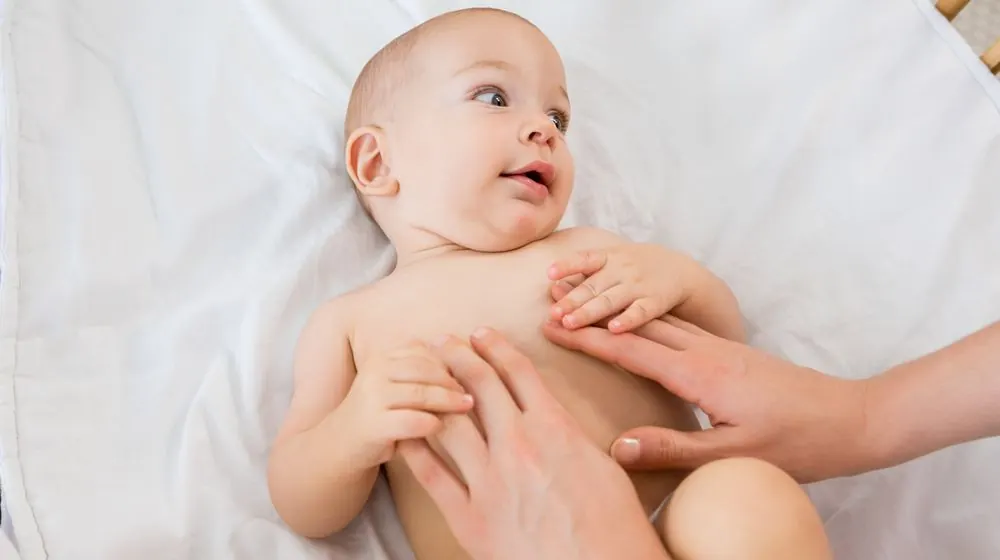
Physiotherapy in the Postpartum Period
After childbirth, a woman's body goes through a phase of adaptation and recovery. Physiotherapy is essential to help restore mobility and body function, especially in areas…
Read more →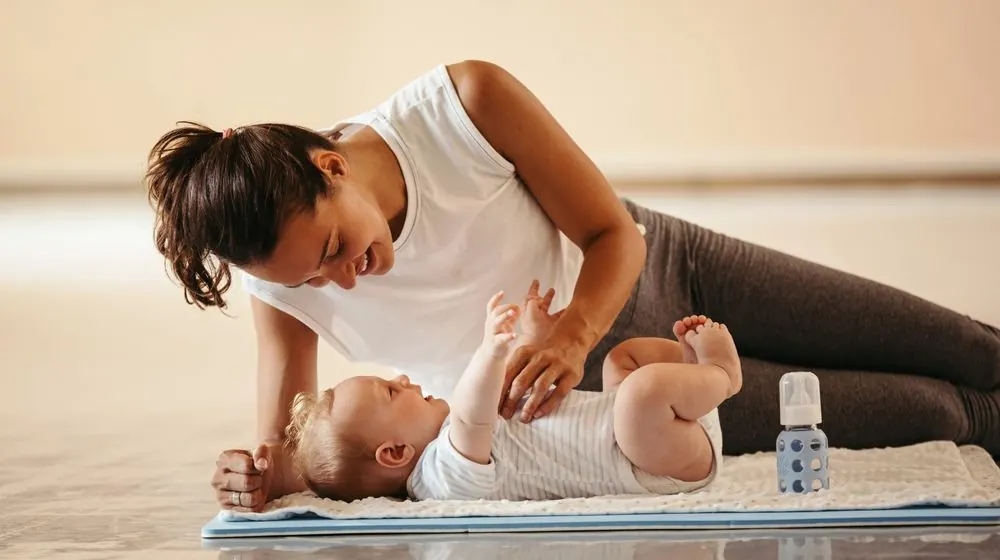
Postpartum and Physiotherapy: How It Helps Recovery and Wellbeing – III
Regaining mobility and flexibility after childbirth is essential for wellbeing and to resume daily activities with comfort and confidence. Physiotherapy offers effective…
Read more →
Postpartum and Physiotherapy: How It Helps Recovery and Wellbeing – II
Physiotherapy plays a key role in recovery and the return to health and wellbeing, but how exactly can physiotherapy help with postpartum recovery? Pain and Discomfort Relief…
Read more →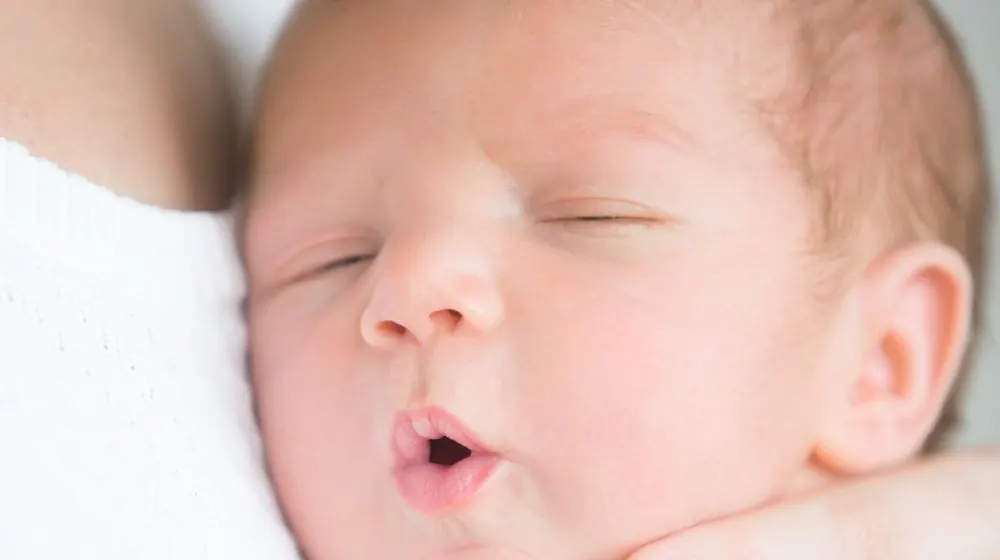
Postpartum and Physiotherapy: How It Helps Recovery and Wellbeing – I
The postpartum period is a time of major changes and adjustments for new mothers. Physiotherapy plays a key role in recovery and the return to health and wellbeing, but how…
Read more →
Menopause
With the onset of menopause, pelvic-floor muscles tend to lose elasticity and strength, increasing the risk of incontinence and other discomforts. But pelvic physiotherapy…
Read more →
Women's Health – Symptoms We Ignore
Symptoms like mild incontinence, pelvic pain, a feeling of heaviness or discomfort during intimacy could be signs of pelvic-floor disorders. These symptoms are common, but…
Read more →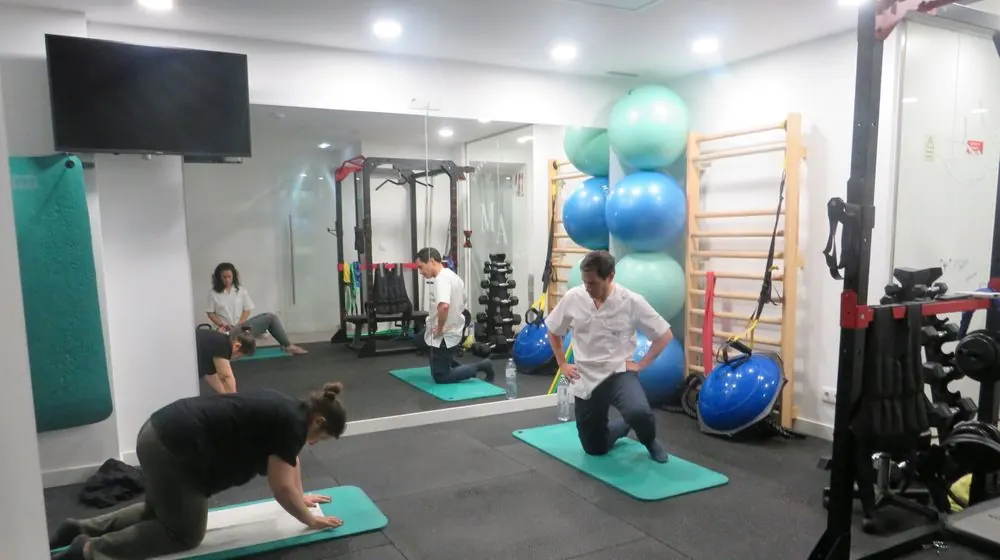
How Does Pelvic Physiotherapy Improve Life?
Pain, discomfort and incontinence don't have to be part of your routine. Pelvic physiotherapy works on preventing and treating pelvic-floor disorders, promoting physical and…
Read more →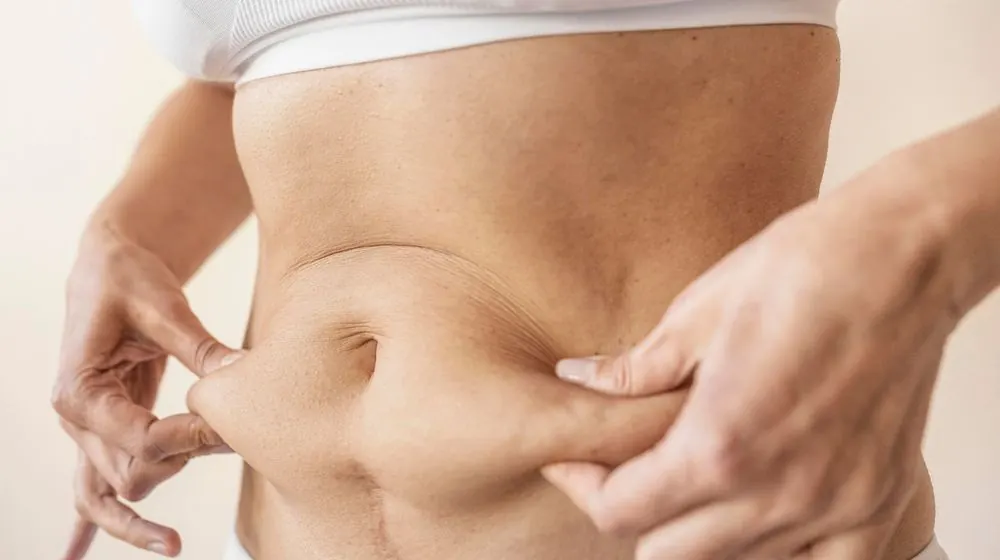
Abdominal Diastasis
Abdominal diastasis is the separation of the rectus abdominis muscles due to excessive stretching during pregnancy. It can cause a bulge in the belly and muscle weakness. The…
Read more →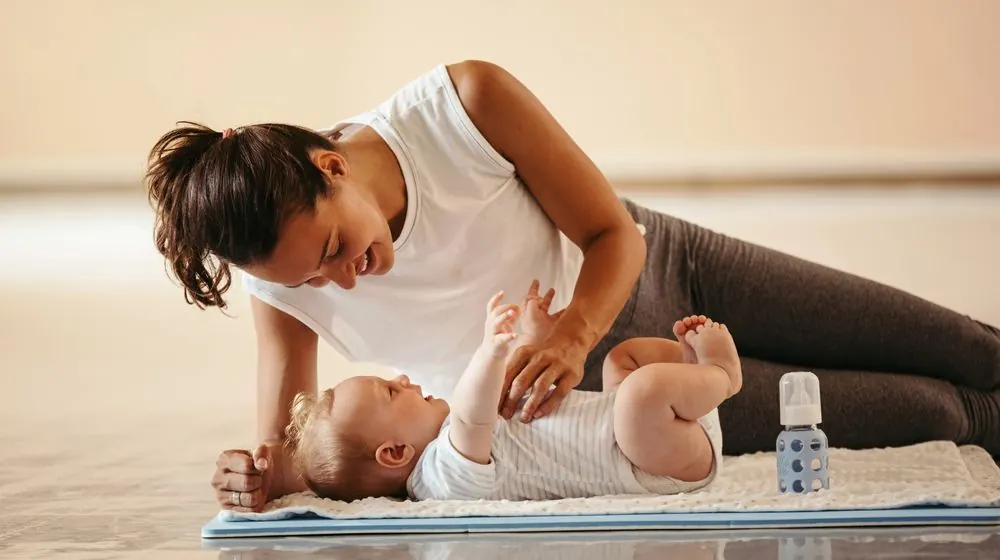
What We Treat in Pelvic Physiotherapy
Urinary and Faecal Incontinence: pelvic-floor re-education to regain control. Pelvic Pain and Dyspareunia: specific techniques to relieve pain and improve sexual function…
Read more →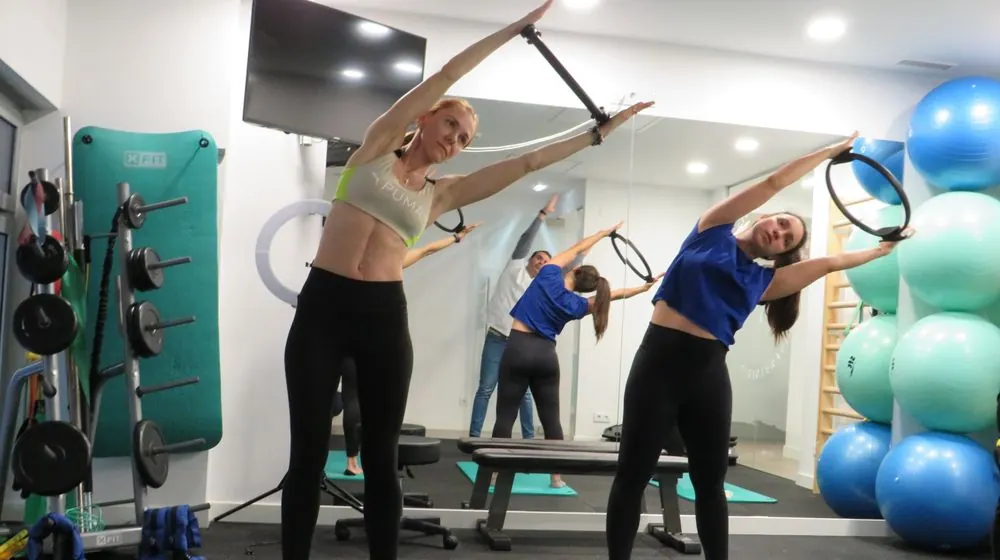
Pelvic Physiotherapy
Pelvic Physiotherapy is one of the best-kept secrets for intimate health and overall wellbeing. Specialising in treating pelvic-floor disorders, this field is essential for…
Read more →