More and more people are looking for solutions that consider health as a whole, not just an isolated symptom. This is precisely the philosophy of Traditional Chinese Medicine, an ancient practice still used around the world as a complement to conventional healthcare.
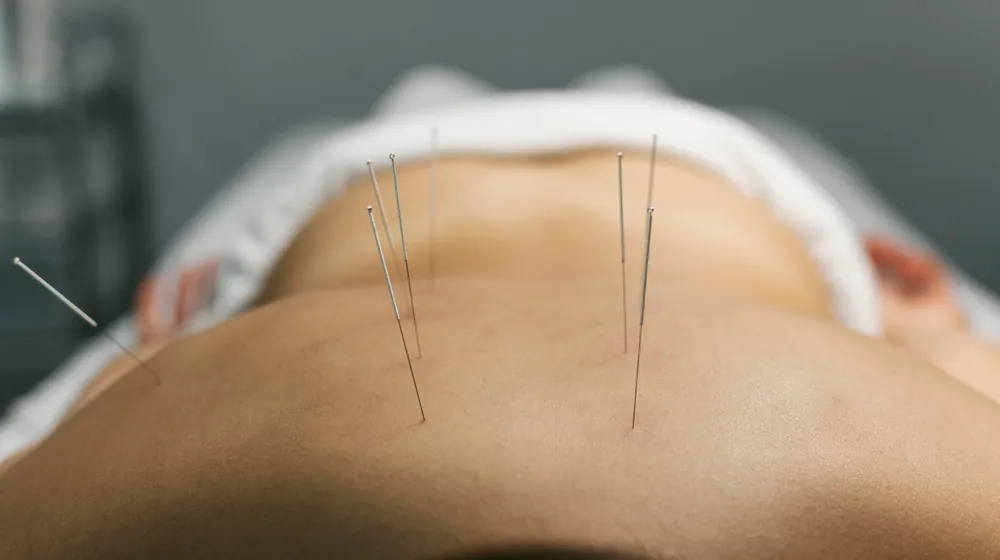
Although acupuncture is the best-known technique, Traditional Chinese Medicine is based on a broader view of the body, seeking to identify imbalances that may lie behind different physical and emotional symptoms.
In recent years, people with persistent pain, chronic stress, fatigue or difficulty sleeping have turned to this approach as part of an integrated strategy for health and well-being.
What is Traditional Chinese Medicine?
Traditional Chinese Medicine is a therapeutic system developed over thousands of years, based on its own understanding of how the body works.
Unlike Western medicine, which tends to analyse body systems individually, this approach seeks to understand how different functions of the body relate to one another.
The assessment considers multiple factors, including:
- Sleep quality
- Energy levels
- Diet
- Digestion
- Emotional state
- Lifestyle habits
- Existing physical symptoms
The aim is to identify patterns of imbalance and define strategies suited to each person's needs.
Chronic pain: one of the main reasons to seek help
Persistent pain is one of the most common complaints in consultations.
Many people turn to Traditional Chinese Medicine after months or years of symptoms that affect their quality of life.
Among the most common problems are:
- Low back pain
- Neck pain
- Recurrent headaches
- Shoulder pain
- Pain associated with muscle tension
- Joint pain
When pain lasts for long periods, its effects go far beyond physical discomfort.
Reduced functional capacity, difficulty sleeping and limited daily activities end up affecting different areas of personal and professional life.
The impact of stress on the body
Stress has become one of the main complaints of modern life.
Tight deadlines, overwork, family worries and difficulty switching off from work contribute to a state of constant tension.
Often, stress is not only emotional.
Symptoms may include:
- Muscle tension
- Headache
- Persistent fatigue
- Digestive problems
- Irritability
- A constant feeling of tiredness
- Sleep changes
When these symptoms persist for weeks or months, it is important to look for strategies that help restore physical and emotional balance.
Poor sleep affects much more than rest
Many people underestimate the impact sleep has on health.
Sleeping little or waking frequently during the night does not just mean feeling tired the next day.
Lack of sleep can affect:
- Concentration
- Work performance
- Mood
- The immune system
- Physical recovery
- Pain perception
Some people find it hard to fall asleep. Others fall asleep easily but wake several times during the night or feel that their sleep is not restorative.
When these situations become frequent, it is worth seeking a more detailed assessment.
A person-centred approach
One of the features that distinguishes Traditional Chinese Medicine is personalisation.
Two people with the same diagnosis may have different symptoms, different lifestyles and specific needs.
For this reason, the assessment seeks to understand each patient's individual context before defining any therapeutic strategy.
This global view contributes to a more personalised approach that reflects each person's reality.
When might it make sense to seek an assessment?
Persistent pain, prolonged stress, constant tiredness or sleep changes are some of the reasons that lead many people to seek this kind of care.
Whatever the reason, the most important thing is to understand that health results from the interaction of multiple factors, and that an integrated approach can help identify aspects that are often overlooked in everyday life.