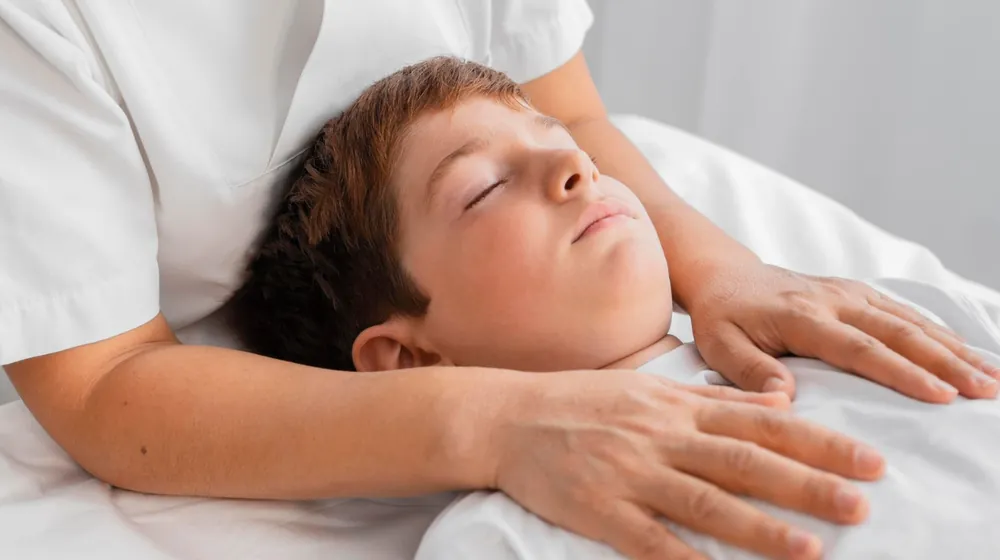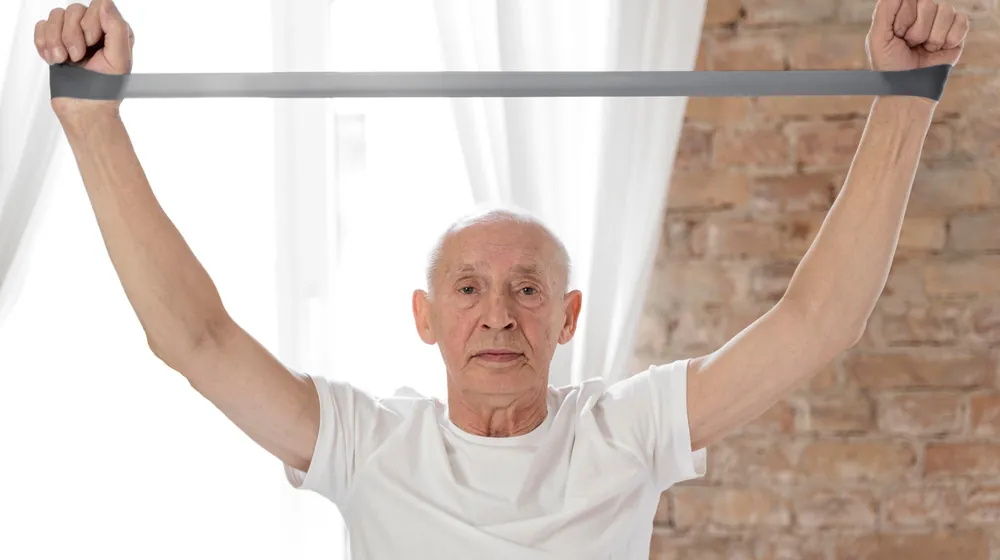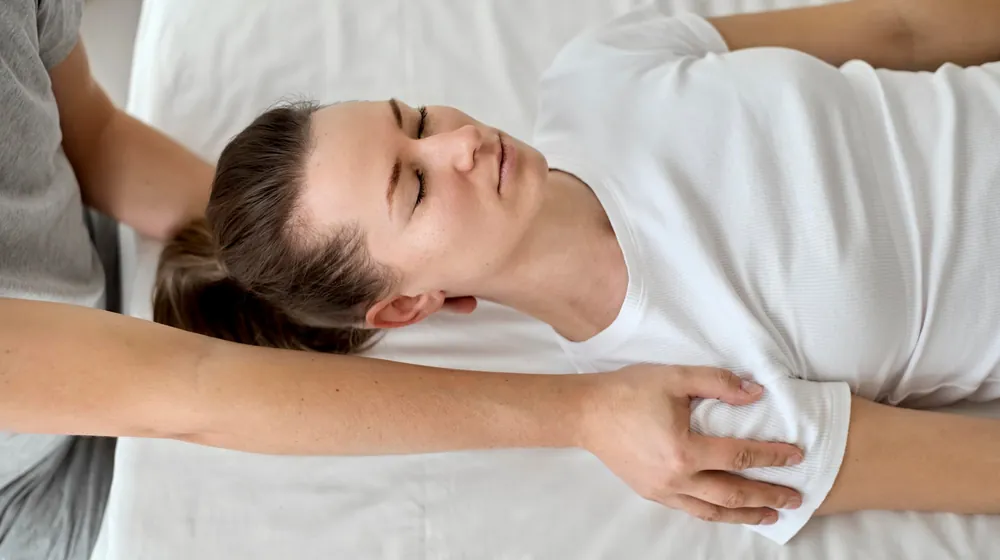
When people think of physiotherapy, most immediately think of back pain, sports injuries or post-surgical recovery. However, there is a specialist area that plays a key role in the respiratory health of children, adults and older people: respiratory physiotherapy.
Breathing is such an automatic act that we rarely think about it. Yet when breathing difficulties, a persistent cough or limited lung capacity appear, we quickly realise the impact these problems can have on daily life.
Respiratory physiotherapy aims to improve lung function, help clear secretions and increase the body's functional capacity.
What is respiratory physiotherapy?
Respiratory physiotherapy comprises a set of techniques and exercises designed to optimise breathing mechanics and improve the efficiency of lung ventilation.
The aim is not only to treat existing symptoms, but also to prevent complications and promote a better quality of life.
Depending on the clinical condition, the intervention can focus on different aspects:
- Improving lung expansion
- Training the respiratory muscles
- Clearing secretions
- Increasing exercise tolerance
- Breathing education
Each plan is adapted to the person's specific needs.
Who can benefit from this approach?
There are many situations in which respiratory physiotherapy can play an important role.
People with chronic respiratory diseases
Conditions such as:
- Asthma
- Chronic bronchitis
- COPD
- Bronchiectasis
can benefit from strategies designed to improve ventilation and functional capacity.
Recovery after respiratory infections
After certain infections, some people continue to feel:
- Shortness of breath
- Excessive tiredness
- Difficulty with physical effort
- A persistent cough
In these cases, recovering respiratory function may require more structured follow-up.
Post-surgical recovery
Chest or abdominal surgery can temporarily interfere with breathing capacity.
Appropriate intervention helps prevent complications and makes it easier to return to usual activities.
Children with recurrent respiratory problems
In children, respiratory physiotherapy is often used when there are difficulties clearing secretions or repeated respiratory episodes.
How does an assessment work?
The process begins with a detailed analysis of the clinical condition.
Aspects assessed include:
- Current symptoms
- Frequency of episodes
- Limitations in daily activities
- Breathing pattern
- Exercise tolerance
- Clinical history
This information makes it possible to set clear goals suited to each person's reality.
The role of breathing exercises
Many people are surprised to learn that breathing can also be trained.
As with other muscles in the body, the respiratory muscles can benefit from specific stimulation.
Exercises can help to:
- Improve breathing coordination
- Increase ventilatory efficiency
- Reduce the feeling of breathlessness
- Improve control of breathing during effort
Results tend to be particularly relevant in people with persistent respiratory limitations.
Benefits for daily life
Improved respiratory function is often reflected in simple everyday activities.
Climbing stairs, walking longer distances or doing household chores can become less demanding when breathing capacity improves.
Many people report:
- Less tiredness
- Greater independence
- Better sleep quality
- Less breathlessness
- More confidence to be physically active
The importance of early intervention
As in many areas of health, early intervention tends to produce better results.
The sooner breathing difficulties or functional limitations are identified, the greater the chance of putting effective strategies in place before the problem significantly affects quality of life.
Breathing better means living better
Breathing influences practically every activity we carry out throughout the day.
For this reason, any condition that affects respiratory function can have repercussions that go far beyond the lungs.
Respiratory physiotherapy seeks to restore efficiency, comfort and function, allowing each person to make better use of their abilities and maintain a more active and independent life.