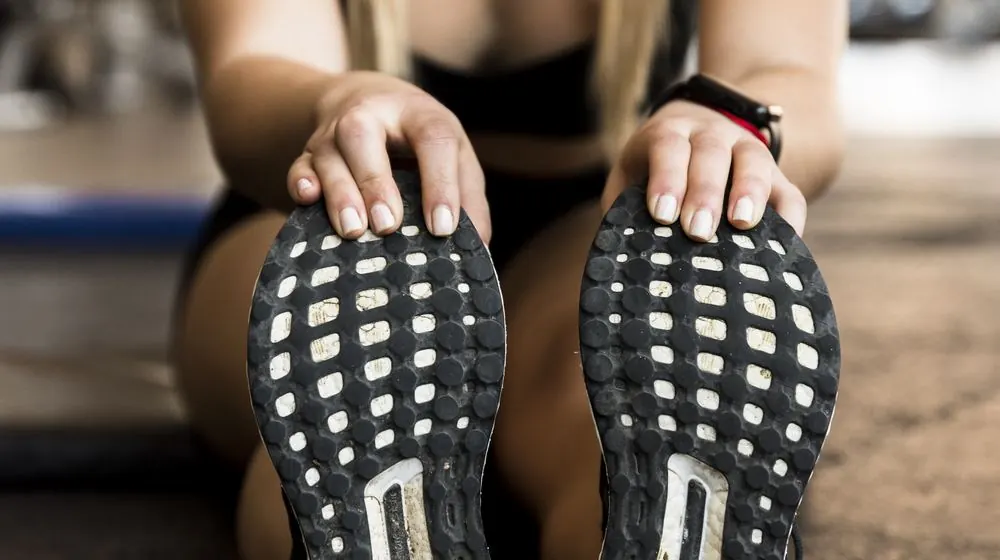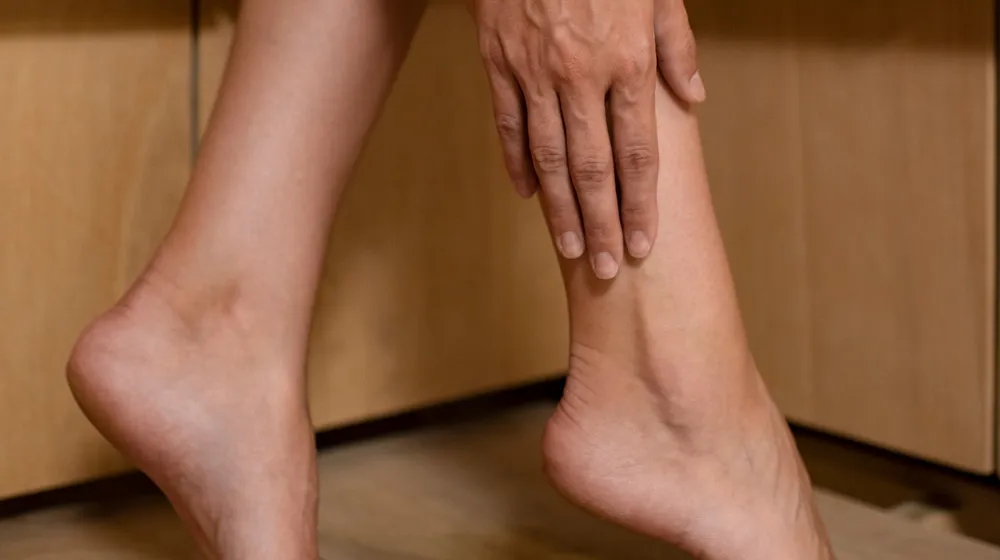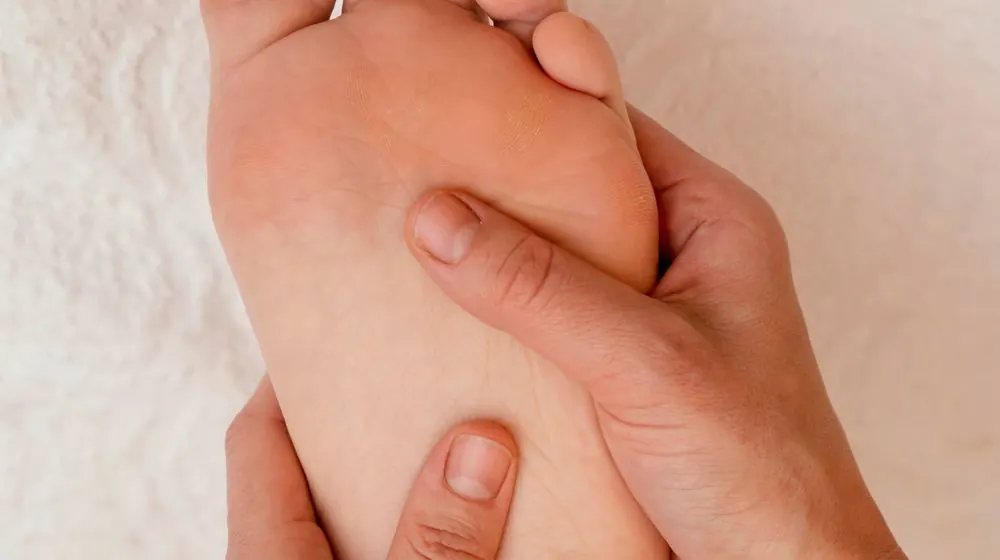
Many athletes and regular exercisers suffer from injuries that keep coming back: knee pain, tendinitis, plantar fasciitis, lower back discomfort. They get treated, improve for a while... and then it's back to the same. The cause may not just be the injury itself, but the way your body moves. And it all starts with the feet.
Biomechanics and the injury cycle
Our body works like a chain: if the base (the feet) is misaligned, the compensations move up to the ankles, knees, hips and spine. Over time, this can lead to:
- Joint overload
- Excessive muscle tension
- Loss of performance
- Recurring injuries
And this is where gait assessment comes in — something not always considered in conventional appointments.
Common injuries associated with gait misalignment
- Achilles tendinitis
- Iliotibial band syndrome
- Patellofemoral pain (runner's knee)
- Plantar fasciitis
- Shin splints
- Lower back pain from postural compensation
- Frequent calf or hamstring tightness
How can functional insoles help?
After a complete biomechanical assessment, custom-made functional insoles allow you to:
✅ Correct alignment from the base up
✅ Better distribute load during physical exertion
✅ Reduce built-up tension in muscles and joints
✅ Prevent recurrence of chronic injuries
✅ Improve performance and comfort during sport
Insoles aren't just for the feet — they're for the whole body
Correcting the base improves the whole system. Many patients notice reduced pain, greater stability and less fatigue, even in areas seemingly "unrelated" to the feet, such as the lower back or shoulders.
Conclusion
If you've treated a sports injury more than once, it's worth looking at your body as a whole — and starting with the feet. Your gait may be perpetuating the problem without you realising it. At M.A. Healthcare, we assess and treat based on the cause, not just the symptom.
Book a biomechanical assessment and find out if your injuries are starting in your feet.